
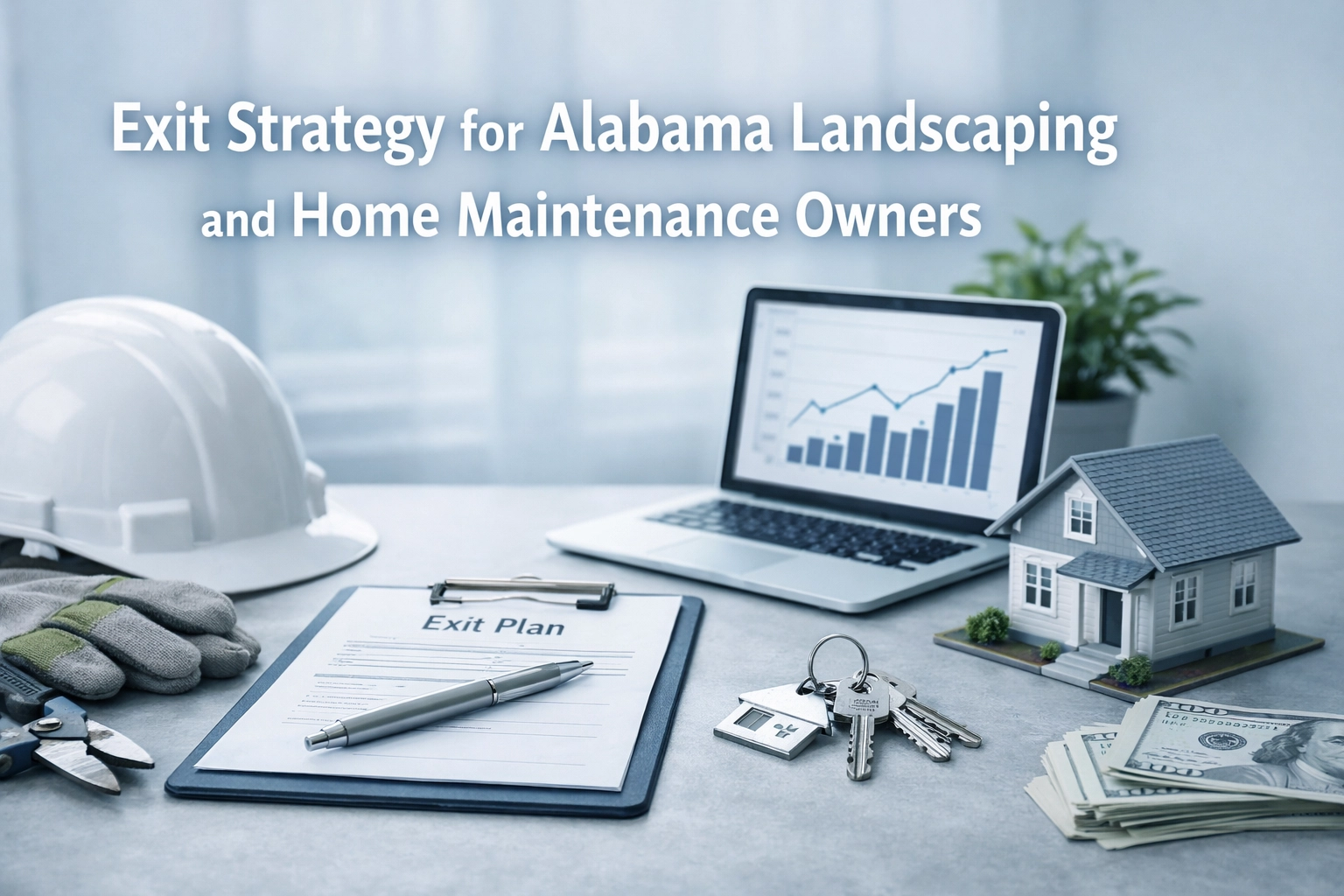
Most landscaping and home maintenance owners in Alabama believe they will sell their business when they are tired.
They imagine a day when the heat becomes too much, the labor headaches get too loud, or the knees finally give out. They think that’s the moment to call a broker and hang the "For Sale" sign.
It isn't.
By the time you are ready to quit, your business is often at its least valuable. You are exhausted, your equipment is likely aging, and your "fire" for growth has dimmed.
A real exit strategy doesn't start with a feeling of burnout. It starts with a realization that your business is an asset, not just a job. To get the highest price from a buyer in Birmingham, Huntsville, or Mobile, you have to build something that doesn't need you.
The Math of Your Exit
In the world of business brokerage, we talk a lot about SDE, Seller’s Discretionary Earnings.
For most home service businesses in Alabama, this is the number that matters. It’s your net profit plus your salary, your perks, and those one-time expenses that won't carry over to a new owner.
Buyers don't pay for your hard work. They pay for the cash flow that will continue after you walk away.
If your business generates $200,000 in SDE, it might sell for a multiple of 2x to 3.5x. But that multiple isn't fixed. It’s a sliding scale based on risk. If the business depends entirely on your personal relationships with clients in Montgomery, the risk is high. The multiple drops.
If the business has systems, a strong middle-management layer, and long-term contracts, the risk is low. The multiple rises.
Understanding your business valuation is the first step in the process. It tells you where you are so you can decide where you need to go.
The Independence Test
I've seen this again and again: an owner thinks they have a $1 million business, but they really have a high-paying job with a lot of overhead.
Ask yourself this: If you disappeared for thirty days to the coast, would your crews still show up? Would the invoices go out? Would new leads be quoted and closed?
If the answer is no, you don't have an exit strategy yet. You have a dependency.
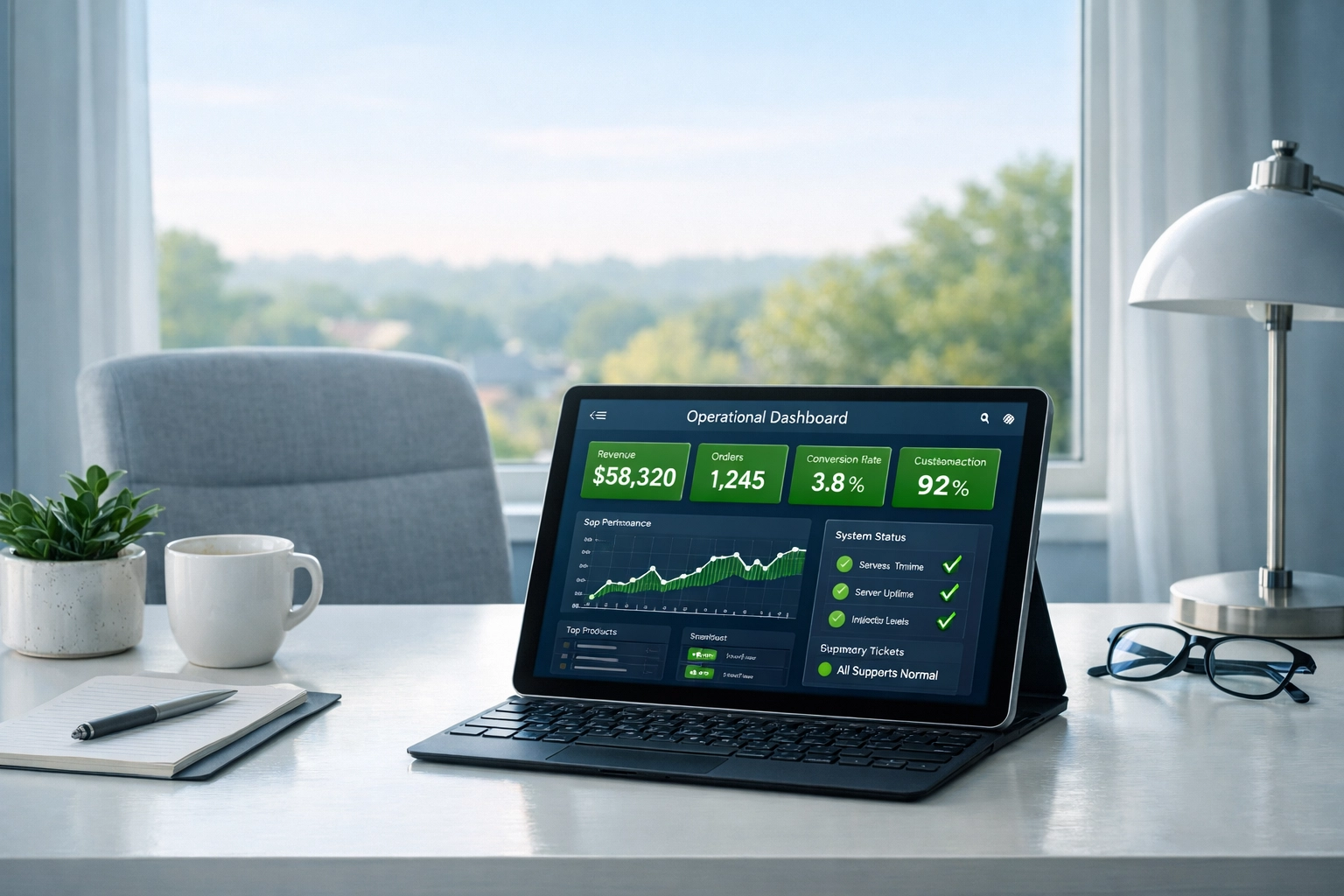
Buyers: especially strategic buyers or private equity groups: are looking for "turnkey" operations. They want to buy a machine that prints money, not a project that requires them to be on-site at 6:00 AM every Monday.
To make your business owner-independent, you need to document everything. Every route, every maintenance schedule, and every sales process needs to be in a manual or a software system.
When a buyer sees that your operation runs on a system rather than your intuition, the "perceived risk" vanishes. That’s when you get the premium price.
The Power of the Contract
In the Alabama home maintenance market, not all revenue is created equal.
One-off landscaping installs or "design-build" projects are great for cash flow. They look good on the year-end statement. But they are unpredictable. A buyer can't be sure those projects will be there next year.
Maintenance contracts are different.
Recurring revenue is the "holy grail" for landscaping exits. If you have 200 residential accounts or 20 commercial contracts in Huntsville that pay every month regardless of the weather, your business is significantly more sellable.
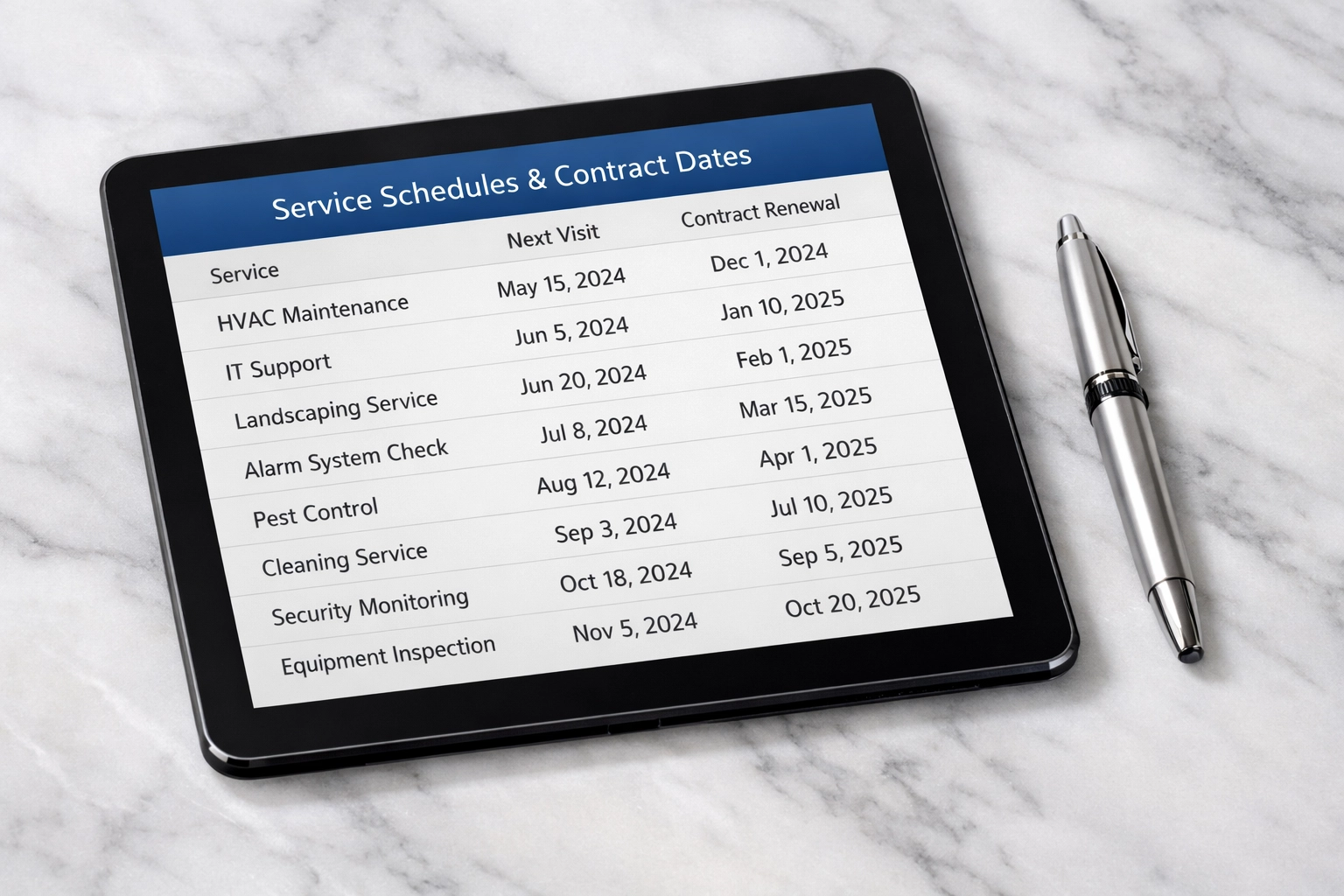
Buyers love the "annuity" model. It provides a floor for their investment.
If your revenue is currently 80% installs and 20% maintenance, your goal over the next 24 months should be to flip that script. Focus on the recurring. Build the base. The market will reward you for it.
The Alabama Financial Reality
We need to talk about your books.
Many local owners run their businesses "for the IRS." They look for every possible deduction to lower their tax bill. While this is great for your bank account today, it can be a disaster when you try to sell.
Banks: especially those doing SBA-backed loans: need to see "clean" numbers. They need to see that the profit actually exists on paper.
If you plan to sell in the next two to three years, you need to start showing more profit. Pay the taxes now so you can reap the 3x or 4x multiple on that profit later. It’s a trade-off that pays off in the six-figure range at the closing table.
This is particularly important in 2026. SBA reforms have changed how lenders look at service businesses. They are more scrutinizing of "add-backs" than they used to be. If you can't prove it, it didn't happen.
Who Is Buying Your Business?
There are generally three types of buyers for an Alabama landscaping or home maintenance company:
- The Individual: Often a corporate refugee who wants to own their own time. They are looking for a stable business in a city like Birmingham or Auburn. They need the business to be simple enough for them to learn quickly.
- The Competitor: A local rival who wants your routes and your crew. They often pay less because they don't need your brand or your office: they just want your customers.
- The Strategic/Private Equity Buyer: These are the "big fish." They are rolling up home service businesses across the Southeast. They pay the highest multiples, but they only want the best-run companies with high recurring revenue and strong management.

If you want the strategic buyer, you have to look like a strategic acquisition. That means professional branding, GPS-tracked trucks, a clean yard, and zero "under the table" employees.
The Labor Factor
In the current market, your crews are often more valuable than your trucks.
Alabama's labor market is tight. A buyer isn't just buying your customer list; they are buying your ability to fulfill the work.
If you have high turnover or depend on "handshake" deals with your foremen, you have a vulnerability. Buyers will look at your retention rates. They will look at your safety records.
An exit strategy should include a plan for your key employees. Do they have a reason to stay after you leave? Are they incentivized? Showing a buyer that your team is stable and loyal is one of the quickest ways to build trust during due diligence.
Timing the Alabama Market
The best time to sell is when the sun is shining: both literally and figuratively.
For landscaping and maintenance, spring and early summer are peak "curb appeal" months for your financials. You want to go to market when your pipeline is full and your crews are busy.
But don't wait for the "perfect" economic moment. The Alabama market remains resilient. Whether it’s growth in Mobile or the tech boom in North Alabama, there is always a demand for well-run service businesses.
The real "timing" issue is your own readiness.
If you start the process today, you can identify the "value gaps" in your business. Maybe your equipment is too old. Maybe your customer concentration is too high (one client being more than 20% of your revenue). Maybe your books are a mess.
Identifying these issues now gives you the runway to fix them.

Next Steps for Your Exit
Selling a business is the most significant financial event of your life. It shouldn't be handled with a "wait and see" attitude.
You’ve spent years: maybe decades: building your reputation in your community. You’ve dealt with the rain, the heat, the broken mowers, and the difficult clients. You deserve to walk away with more than just a "thanks for the memories."
The first step is clarity. You need to know what your business is worth in the eyes of a buyer. Not what you think it’s worth, but what the market will actually pay.
We help owners across Alabama navigate this transition. We look at the financials, the operations, and the local market conditions to provide a realistic roadmap for your exit.
If you are ready to see what the next chapter looks like, let's start the conversation. It’s better to be two years too early than one day too late.