
You think you have time.
Most landscaping business owners in Alabama tell themselves the same thing every spring. They see the trucks moving, the crews working, and the revenue climbing. They think the "perfect time" to sell is somewhere off in the distant future.
Usually, that future is defined by a feeling. A feeling of being "done."
But the market doesn't care about your feelings. The market cares about timing, demand, and data. And right now, the data is screaming.
If you own a lawn care or landscaping company in Alabama: whether you’re based in Huntsville, Birmingham, or down in Mobile: you are standing in the middle of a historic window of opportunity.
2026 is not just another year in the green industry. It is the peak of a massive consolidation wave.
If you’ve been waiting for a sign to look at your exit options, this is it.
The 2026 Market Reality
The numbers coming out of the industry right now are staggering.
The global landscaping services market has surged to over $741 billion this year. That is a double-digit growth rate from where we stood just a year ago. In Alabama, we are seeing this play out in real-time.
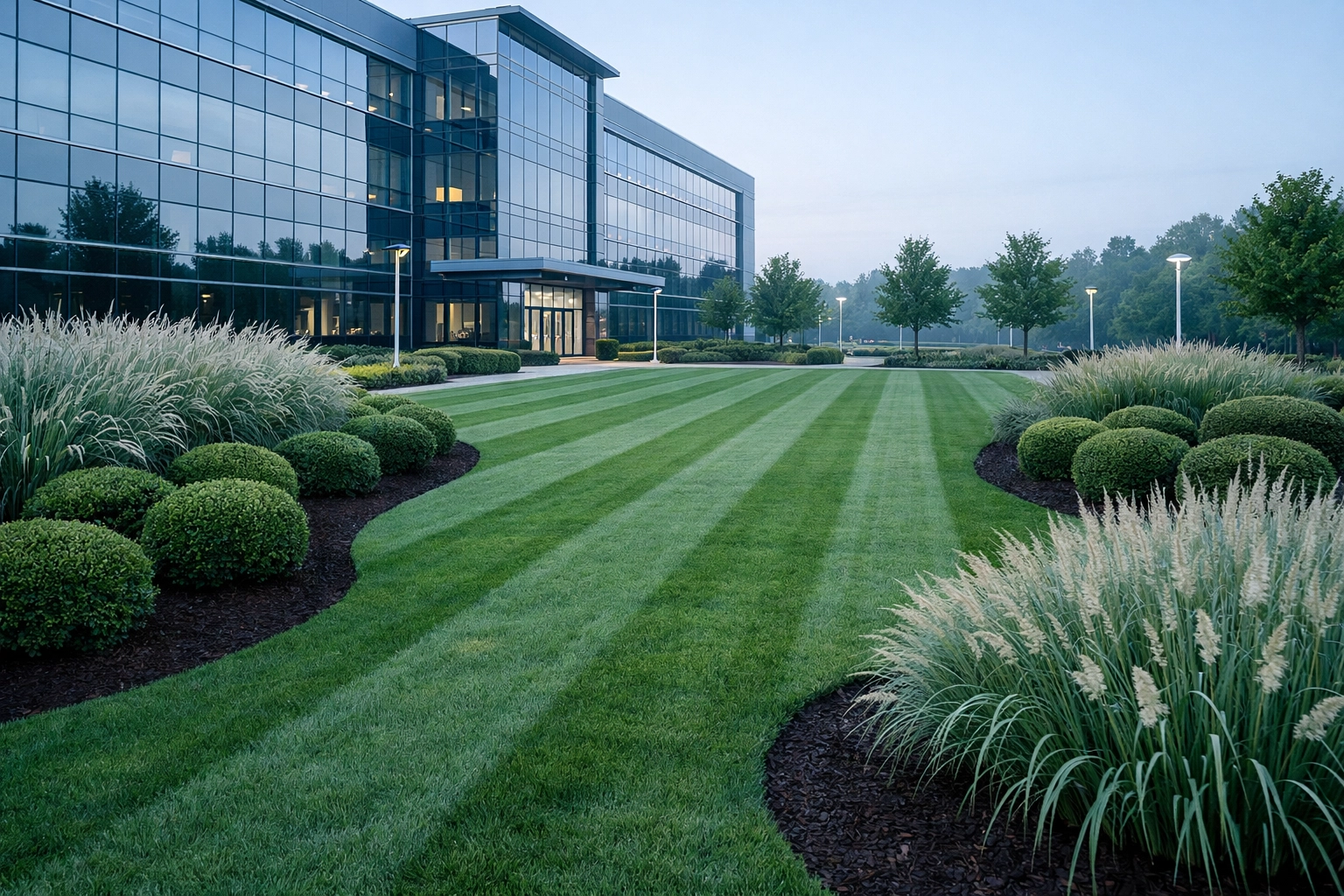
Increased residential construction in the Baldwin County area and massive commercial infrastructure projects in North Alabama have created a vacuum. Buyers are desperate for established companies that already have the crews, the equipment, and: most importantly: the contracts.
I’ve seen this cycle before.
When demand outstrips supply, valuation multiples expand. Buyers who used to be picky about every minor detail are now paying premiums for businesses that show consistent recurring revenue.
But this window won't stay open forever.
The Consolidation Wave is Hitting Alabama Hard
You’ve likely heard the names. BrightView. Landscape Workshop. Ruppert Landscape.
These aren't just names in a trade magazine. These are the giants currently scouring the Southeast for acquisitions. They aren't looking to start from scratch. They want to buy your reputation.
They are looking for "platform" businesses: companies that are large enough to anchor a region: and "add-on" businesses that can tuck into their existing routes.
Alabama has become a primary target for these consolidators.
Why. Because our climate allows for nearly year-round service. Because our business environment is stable. And because the "big guys" have realized that it is much cheaper to buy an existing, profitable Alabama business than it is to fight for market share from the outside.
If you are a smaller operator, you might think you’re too small to be noticed. You’re wrong.
The larger companies are buying smaller firms just to get their hands on trained labor. In a market where finding good help is the biggest headache you face, your staff is often the most valuable asset you own.
The Technology Premium
There is another reason why 2026 is the year to move.
Technology has finally caught up to the landscaping industry. We are seeing a massive shift toward AI-driven routing, robotic mowing systems, and automated customer management.
Buyers in today's market are looking for companies that have integrated these tools.
If you have already started using robotic mowers or sophisticated software services to manage your routes, your business is worth more today than it was two years ago.

But there is a flip side.
If you haven't invested in these technologies, the gap between you and the "modern" firm is widening. Eventually, the cost to upgrade will be deducted from your sale price.
Selling now allows you to capture the value of your current operation before the technological requirements for entry become even more expensive.
Valuations Are Not What They Used to Be
In the old days: maybe ten years ago: landscaping companies sold for a simple multiple of their equipment value plus a little extra for the "blue sky."
Those days are over.
Today, buyers are looking at EBITDA (Earnings Before Interest, Taxes, Depreciation, and Amortization). They are looking at the quality of your contracts.
Are you 80% residential with high churn. Or are you 60% commercial with multi-year renewals.
In Alabama, commercial contracts are gold. If you have secured long-term maintenance agreements with HOAs, office parks, or municipal entities, you aren't just selling a lawn service. You are selling a predictable cash flow.
Predictability is what buyers pay for.
Currently, multiples for well-run landscaping firms in the Southeast are at some of the highest levels we’ve seen in a decade. But multiples are sensitive to interest rates and economic shifts.
The "high" is happening now.
The Emotional Hurdle of "Not Being Ready"
I talk to owners every week who say, "I’m not ready to retire yet."
I tell them the same thing: You don't sell a business because you’re ready to sit on a beach. You sell a business when the market is ready to pay you the maximum amount for your life's work.
Selling your company doesn't always mean walking away the next day. Many of the buyers active in Alabama right now actually want you to stay on for a year or two as a consultant or manager. They want your expertise. They want your local connections.

You can take the "chips off the table" now, secure your family's financial future, and still stay involved in the industry you love: without the stress of payroll, equipment repairs, and insurance audits.
Control over timing is the only true leverage you have in a sale. Once you have to sell: due to health, burnout, or financial pressure: you’ve lost your leverage.
How to Prepare Your Business for a 2026 Sale
If you are even considering a move, there are three things you need to do immediately.
1. Clean up the books.
Buyers hate "owner's discretionary expenses" that aren't clearly documented. If you’re running your personal truck or your family's cell phone plans through the business, that’s fine: but it needs to be transparent. A professional valuation request is the first step to seeing your numbers through a buyer's eyes.
2. Evaluate your equipment.
Don't go out and buy five new zero-turns right before you list. But don't let your fleet look like a junkyard either. A buyer wants to see a functional, well-maintained fleet that won't require a $200,000 infusion on day one.
3. Lock in your key people.
If your business depends entirely on you being at the job site every day, it isn't a business: it’s a job. And jobs are hard to sell. Start empowering your crew leads. Show the buyer that the business can run for a week without you answering the phone.
Why You Shouldn't Do This Alone
You are an expert at landscaping. You know soil, turf, and drainage. You know how to bid a job to ensure a profit.
But you probably aren't an expert at M&A (Mergers and Acquisitions).
The biggest mistake I see Alabama owners make is trying to sell to a competitor over a cup of coffee. You might think you’re saving on commission, but you are likely leaving hundreds of thousands of dollars on the table.
A broker’s job isn't just to find a buyer. It’s to create a competitive environment.
When you have three different firms bidding for your Birmingham-based routes, the price goes up. When you only talk to the guy down the street, the price stays where he wants it.

We handle the confidentiality. We handle the vetting. We make sure that your employees and your customers don't find out about the sale until the ink is dry.
The Window is Open
The Alabama landscape is changing. The companies that will dominate the next decade are being formed right now through acquisitions and mergers.
You built something valuable. You put in the hours, the sweat, and the years of "green industry" grind.
Don't let the peak of the market pass you by because you were too busy working in the business to work on your exit.
The demand is high. The multiples are strong. The buyers are looking at Alabama.
It’s time to find out what your hard work is actually worth.
If you want to understand the current value of your business in today’s market, let’s have a conversation. No pressure. Just clarity.